Bag Authenticity: How To Tell If A Designer Purse Is Real
When it comes to purchasing designer purses, authenticity is paramount. A genuine designer purse is a symbol of luxury and style and also represents the creativity and often the heritage of the original brand.
However, with the rise of counterfeit products, it has become increasingly challenging to distinguish between authentic designer bags and their fake counterparts.
While there are some people who knowingly purchase fake designer bags for a variety of reasons, more often than not, fake bags deceive people into thinking they are purchasing the real thing, leaving them disappointed and at a financial loss.
In this comprehensive guide, we delve into the topic of bag authenticity, exploring what it truly means for a purse to be authentic and how to distinguish between genuine designer bags and their replicas.
From understanding the key elements of authenticity to practical tips on performing an authenticity bag check, we provide you with the knowledge and tools necessary to confidently identify a real designer purse. Through this article, we hope to empower you to make smart purchasing decisions and confidently find the “real” bag of your dreams.
What does “authentic” mean in purses?
An authentic purse is one that is made by the original designer or brand and is not a counterfeit or fake item. It means that the purse is produced by the authorized manufacturer and meets the quality standards and design specifications of the brand.
Authentic purses are often viewed as bags that are made to a high standard and are most associated with designer brands that use high-grade materials and expert craftsmanship, making their bags more desirable and valuable compared to counterfeit or replica versions.
What makes a designer bag authentic?
An authentic designer bag possesses accurately placed brand details, such as logos, motifs, and monograms; high-quality materials, such as leather, canvas, and sturdy metal hardware; and is expertly constructed with flawless stitching. Some bags may have authenticity cards or serial numbers to verify their authenticity.
Authentic bags are often accompanied by branded packaging and accessories. It is important to note, however, that a bag that possesses all of these elements may still not be authentic. Counterfeiters have become increasingly skilled at replicating these features for specific luxury brands and bag models, making it more challenging to distinguish between genuine, replica, and even designer dupes. Therefore, all of these elements must be assessed in relation to one another in order to verify the authenticity of the bag.
What is a replica designer bag?
A replica designer bag is a counterfeit product intentionally designed to closely resemble a genuine designer bag, including the appearance, branding, features, size, and overall aesthetic of the original design. Replica bags are produced with lower-quality materials and craftsmanship and are sold at a lower cost.
While they may visually resemble genuine designer bags to a certain extent, replica bags are unauthorized copies and do not have the same level of quality, authenticity, or value as the original designer bags. It is important to note that purchasing and selling replica designer bags is illegal in many jurisdictions because it is considered a form of intellectual property infringement.
What is the difference between dupe and replica bags?
The main difference between a dupe and a replica bag lies in the intention and legality of its design. A dupe is a legally sold alternative that is inspired by the designer bag or has a similar appearance, while a replica is an unauthorized counterfeit item that aims to imitate the design of an authentic designer bag.
Therefore, to ensure you buy an authentic bag, it is better to purchase a designer dupe that appears somewhat similar and has been produced legally, as opposed to a replica bag, which appears very similar to a designer bag but is produced illegally.
To avoid purchasing a replica bag, it is advisable to purchase from authorized retailers, official brand stores, or reputable sources. Familiarizing yourself with the brand’s specific authentication methods and details can also be helpful. If in doubt, seek an expert’s opinion to verify authenticity and confidently determine if a designer bag is genuine or not.
Is there an app to check if a bag is real?
Yes, there are several apps available that can help you authenticate designer bags. These apps use various authentication methods, including image recognition technology, databases of authentic products, and expert verification processes. Here are a few examples of popular apps used for bag authentication:
- Entrupy is an app that uses a handheld device and a high-resolution camera to capture microscopic images of the bag’s materials and features. The images are then analyzed by artificial intelligence algorithms to determine the bag’s authenticity.
- Authenticate First is an app that allows users to submit photos of designer bags for expert verification. Their team evaluates the images and provides detailed reports on the authenticity of the bag.
- Real Authentication is an app that allows users to submit photos of the bag, and their team of authenticators reviews the images to determine the bag’s authenticity.
It is important to note that while these apps can provide assistance in determining the authenticity of a bag, they are not foolproof and can also require a fee. Authenticating a designer bag requires expertise and a thorough examination of various factors beyond just a visual inspection. Therefore, it is advisable to use these apps as an additional resource and consider consulting with experts or authorized retailers when in doubt about a bag’s authenticity.
How much does it cost to get a bag authenticated?
The cost of bag authentication can range anywhere from $10 to over $100, depending on factors such as the complexity of the authentication process, the reputation and expertise of the service provider, whether you opt for a quick online evaluation or an in-depth analysis, and the value of the bag being authenticated.
The cost of getting a bag authenticated can also vary depending on the service or provider you choose. Some authentication services offer free basic evaluations or charge a nominal fee for quick assessments. However, for a more comprehensive and detailed authentication report, professional services may have higher fees.
It’s important to research and compare different authentication services to find one that fits your needs and budget. Consider factors such as the credibility and reputation of the service, the expertise of their authenticators, the turnaround time for results, and any additional services or guarantees offered.
Keep in mind that while paying for authentication services can provide peace of mind and valuable insights, it is not always necessary. You can also consult with brand experts, visit authorized retailers, seek advice from online communities, or perform your own authenticity check to gain some initial insights.
How to do an authenticity bag check
1. Check for authenticity cards
Authentic designer bags often come with authenticity cards or certificates. These cards contain unique codes or holograms that authenticate the bag’s origin. Ensure that the card matches the brand’s up-to-date designs, has accurate details, and shows no signs of tampering.
2. Verify the correct branding details
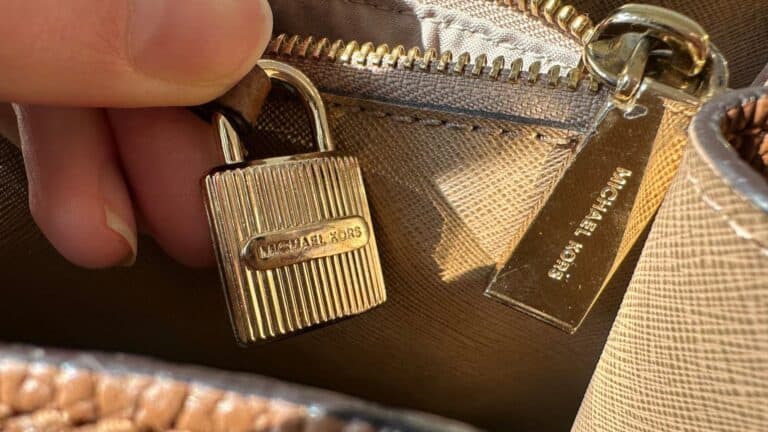
Pay close attention to the branding details, such as logos, fonts, and engravings. The most well-known bag brands use precise and consistent branding. Look for any misspellings, uneven lettering, or differences in logo placement that may indicate a fake. Authentic designer bags will often display their logo in multiple places, including the main closure, zippers, buckles, and inside labels.
3. Inspect the quality of the materials
Lorem ipsum dolor sit amet, consectetur adipiscing elit. Ut elit tellus, luctus nec ullamcorper mattis, pulvinar dapibus leo.
Genuine designer bags use high-quality hardware, such as zippers, clasps, buttons, or buckles. Examine the hardware for proper branding, smooth functionality, and durable construction. Pay close attention to the areas that get a lot of wear and friction and check whether or not the hardware is flaking, cracking, or peeling away. High-quality hardware may show white surface scars but should not peel or crack.
5. Examine the stitching
Authentic designer bags feature impeccable stitching that blends seamlessly with the overall design. Examine the type of thread used and ensure it matches the brand’s standards. Check that the stitches are close together, evenly spaced, and in perfect alignment with the other parts of the bag.
6. Analyze the bag’s size and proportions
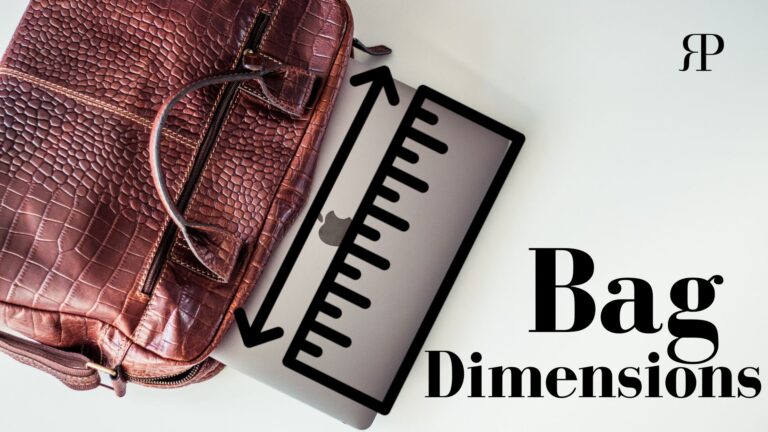
Authentic designer bags adhere to specific measurements that create a well balanced and functional accessory. Assess the overall structural integrity and proportions of the bag, and if necessary, use official brand websites or authorized retailers as a reference to ensure that the bag you’re inspecting matches the correct size, shape, and proportions.
7. Cross-check the interior layout
The interior of a genuine designer bag is thoughtfully designed and well-organized. Research the bag’s interior features, such as pockets, compartments, and lining patterns, and compare them to official product images or trusted sources. Any discrepancies may indicate a counterfeit bag.
8. Verify the serial number if it has one
Designer bags often come with unique serial numbers or codes that can be verified with the brand. Research how the brand formats its serial numbers and check if the one on the bag aligns with the brand’s standards. If in doubt, contact the brand directly to verify that the serial number matches their database.
Do all designer handbags have serial numbers?
No, not all designer handbags have serial numbers. While many high-end brands include serial numbers as a way to authenticate their bags, it is not a universal practice. Some designer bags may have serial numbers, while others may use other authentication methods or may not use a dedicated authentication method at all.
Therefore, if your bag does not have a serial number, it doesn’t automatically mean that it is fake. Familiarize yourself with the specific brand and model of the handbag you are interested in to understand if it should have a serial number at all and where it is typically located.
It’s important not to confuse other codes that can be printed onto a bag, such as a date of manufacture code, style number, and product SKU code, with a serial number. If you don’t know what kind of code your bag displays, it is recommended to check directly with the brand.
What is the difference between a serial number and a style code?
A serial number is a unique identifier used to authenticate and track the origin of an individual bag, while a style code, also known as a model number or product code, is assigned to a bag design or style to categorize and differentiate various models within a brand’s product line.
A serial number is a distinctive set of numbers, letters, or a combination of both that helps identify and track the authenticity and origin of a specific bag. Serial numbers are typically engraved, embossed, or printed on a tag or label inside the bag’s interior pocket or on a separate authenticity card. The serial number can be used to verify the bag’s authenticity by cross-referencing it with the brand’s records or authentication guidelines.
On the other hand, a style code is primarily used for internal purposes by the brand, to identify and categorize different bag models or variations. Style numbers are not unique to each individual bag. Multiple bags of the same design or style may share the same style number. Therefore, relying solely on the style number cannot guarantee the authenticity of a specific bag.
Counterfeiters often replicate the style numbers and other features of authentic bags to make their replicas appear more convincing. This means that even counterfeit bags can have style numbers that match those of genuine bags, making it unreliable to use the style number as the sole authentication criterion.
Is it bad to buy fake designer bags?
Buying fake designer bags is not recommended because purchasing counterfeit goods is illegal and supports illegal activities such as counterfeiting and intellectual property theft. It undermines the work and creativity of the original designers, who invest time, effort, and resources into creating high-quality bags.
Fake designer bags are typically of inferior quality compared to genuine ones. The materials and construction are often subpar and are primarily made to resemble a designer bag but are not built to last, leading to poor durability and a shorter lifespan. This means you may end up spending more money in the future on a replacement.
Owning a fake designer bag can have social and ethical implications. It can finance organized crime, contribute to a culture of deception and inauthenticity, and misrepresent your own personal style and values.
Instead, consider alternative options such as purchasing mid-range luxury bags, high-quality non-designer bags, or supporting emerging designers who offer original designs at more affordable prices. By doing so, you can still express your style and enjoy a well-made product without compromising ethics or breaking the law.
Where do fake designer bags come from?
Fake designer bags are typically produced in countries where counterfeiting is prevalent, such as China, Turkey, Thailand, and certain regions in Europe and South America. However, they can come from various sources and are often associated with illegal activities and counterfeit production.
How are fake designer bags made?
They are often created in unauthorized factories or workshops that specialize in replicating popular designer brands. These counterfeit operations aim to mimic the appearance of genuine designer bags while cutting corners, using lower-quality materials, and imitating the brand’s logos, designs, and trademarks.
What are signs that a bag is fake?
There are several signs that can indicate a bag is fake. While it’s important to note that these signs may vary depending on the specific brand and model, here are some ways to spot a fake bag:
- Poor Quality Materials: Lower-quality materials that may feel cheap, flimsy, or lack the genuine look, smell, and feel of luxury materials
- Inaccurate Logo or Branding: Inconsistencies in logo placement, misspellings, incorrect fonts, or poor stitching
- Cheap Hardware: Hardware that feels lightweight, easily tarnishes or chips, or lacks smooth functionality
- Sloppy Stitching: Loose threads or seams, uneven stitching, or sloppy craftsmanship
- Incorrect Serial Numbers or Tags: Fake or inconsistent serial numbers, tags may appear cheaply made or inaccurately placed
- Subpar Packaging and Dust Bags: Poorly made or misspelled packaging materials
- Price Discrepancy: If the price seems too good to be true or significantly lower than the retail price of the authentic bag, it is likely a fake
- Inconsistent Interior layout: Counterfeiters focus most of their efforts on the outside of the bag which means the interior is often of poor quality or has a layout that is completely incorrect or inconsistent with the original
It’s important to remember that counterfeiters continuously improve their techniques, and some replicas can be very convincing. If you have any doubts about the authenticity of a bag, it’s recommended to consult with an expert or directly with the brand.
How can I avoid buying a fake designer bag?
To avoid buying a fake designer bag, purchase directly from authorized retailers or brand boutiques, do thorough research on the reputation of third-party sellers if you are buying from one, verify the seller has a flexible return policy, be wary of prices that seem too good to be true, and use secure payment methods.
If you are purchasing a pre-owned designer bag, it is advisable to stay away from private sellers unless you have independently verified the bag’s authenticity. Instead, opt for guarantee-backed, second-hand platforms that specialize in luxury goods and conduct their own authenticity inspection.