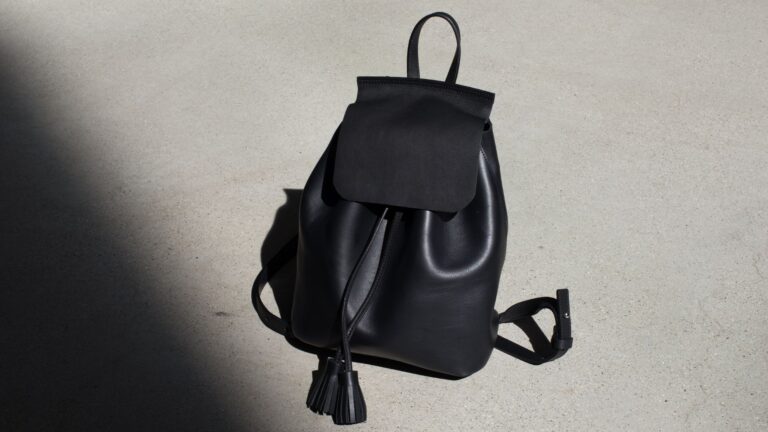
Anatomy Of The Handbag: Parts Features And Materials
In the world of fashion, handbags have long held a special place as both functional accessories and style statements. These versatile companions are not just containers for our essentials but also reflections of our personal taste and lifestyle.
Behind their exquisite exteriors and luxurious materials lie a multitude of carefully crafted parts that come together to create the wonderful bags that we love so much. From the sturdy straps that bear the weight of our daily necessities to the glistening hardware that adds a touch of elegance, every component plays a crucial role in the design and functionality of a handbag.
In this article, we’ll explore the anatomy of a handbag and discuss each of the distinctive parts that contribute to its overall design. We’ll dissect the different parts, examining their purpose, characteristics, and variations. Whether you’re an aspiring handbag designer or simply curious about these timeless accessories, by the end of this article, we’ll help you deepen your appreciation for the artistry behind the handbags we all adore.
What is the difference between the parts, features, and materials of a bag?
“Parts,” “features,” and “materials” are often used to describe different aspects of a bag, and while these terms are often used interchangeably, it is important to understand the differences between them to better understand their nuances and how they are used to create a handbag.
The parts refer to the different physical components that form a handbag. The features of a bag refer to the special qualities or functionalities that a bag offers and encompass the distinct characteristics or attributes that set it apart from others. The materials of a bag refer to the substances used in constructing the bag’s exterior, interior, and various components. Different parts, features, and materials can give the bag a different look and feel as well as affect its performance in terms of water resistance, flexibility, or weight.
Why are the parts of a handbag important?
The parts, features, and materials of a handbag work together to create a functional, aesthetically pleasing, and durable accessory. The parts provide the necessary structure and components for a bag to be functional, proportional, and well-designed so that it is comfortable and practical to wear. The features of a handbag offer additional convenience, specialized functionalities, or aesthetic elements that appeal to the individual tastes and needs of the user. The materials influence the durability, aesthetics, weight, performance, and longevity of the bag, ultimately playing a crucial role in its style and luxury.
Collectively, these elements contribute to the overall quality of a handbag. Without them, a handbag lacks the necessary structure, functionality, convenience, and durability to fulfill its purpose as a reliable and fashionable accessory. The components, features, and materials are interdependent and work harmoniously to create a well-designed handbag. This is why they are often referred to collectively as the “parts of a handbag”.
What are the parts of a handbag?

The parts of a handbag refer to the necessary components, optional features, and materials that make up a handbag. Each part serves a purpose and contributes to the final form, style, structure, and functionality of the handbag. The most common parts of a handbag include the following:
- Straps
- Handles
- Closure
- Base studs
- Material
- Lining
- Main compartment
- Gussets
- Stitching
- Pockets
- Key leash
- Id patch
- Logo detail
What are the straps of a handbag?
The straps of a handbag are the elongated strips or bands of material that are attached to the bag. They are an integral part of the handbag’s design and functionality, offering various advantages to the user. Depending on what they are made of, they can provide extra comfort or enhance the bag’s visual appeal. They can come in various types, styles, and lengths to suit different body proportions and specific preferences.
What is the purpose of handbag straps?
The purpose of handbag straps is to provide a convenient and comfortable way to carry the bag. By allowing the handbag to be worn over the shoulder or across the body, the straps distribute the weight of the bag, reducing strain on the user’s arm or hand. This frees up the hands for other tasks and offers ease of movement. Handbag straps also provide security by keeping the bag close to the body, minimizing the risk of theft or loss.
What are the advantages of handbag straps?
The advantages of handbag straps include enhancing the practicality and overall aesthetic appeal of the handbag. Straps come in various colors, patterns, and materials, allowing for customization and personalization. Additionally, some handbag straps are detachable or interchangeable, providing versatility and allowing the user to change the look of their bag to suit different occasions or outfits.
What are the best materials for handbag straps?
The best materials for handbag straps include leather, nylon, polyester webbing, or durable canvas that offer a high-quality and sturdy carrying option that is also comfortable to wear.
The best material for handbag straps should possess several qualities that contribute to their overall performance and durability. These include strength and durability to be able to withstand the weight of the contents of the handbag and the strain of regular use without stretching, tearing, or fraying over time; flexibility and maneuverability to allow the straps to conform to the body’s contours without causing discomfort; a smooth and supple surface that is comfortable against the skin to allow for extended periods of wear; compatibility with the hardware used in the construction of the bag; and contributing to the overall aesthetic and visual appeal of the bag.
What are the different types of handbag straps?
Different types of handbag straps include wrist straps, shoulder straps, crossbody straps, chain straps, adjustable straps, convertible straps, detachable straps, double straps, single straps, chunky straps, delicate straps, braided straps, drawstring straps, and salt straps.
- Wrist straps are short straps worn around the wrist that allow the bag to be carried more securely by hand.
- Shoulder straps are long straps designed to be worn over the shoulder, allowing a hands-free way to carry a handbag.
- Crossbody straps are longer straps that enable the handbag to be worn diagonally across the body and distribute the weight more evenly.
- Chain straps are made of interlocking metal links or chains and are used to add a stylish touch to the handbag.
- Adjustable straps feature mechanisms or designs that allow the length of the strap to be easily modified.
- Convertible straps can transform or adjust into different lengths or styles, allowing the handbag to be carried in various ways, such as shoulder, crossbody, belt, backpack, or handheld options.
- Detachable straps can be easily removed and reattached to the handbag.
- Double straps consist of two parallel straps attached to the handbag.
- Single straps refer to a singular strap attached to the handbag.
- Chunky straps are wider and thicker straps that add a bold and statement-making element to the handbag.
- Delicate straps are thin and slender, typically made from delicate materials such as fine chains or thin leather.
- Braided straps are created by intertwining multiple strands of material, resulting in a textured appearance.
- Drawstring straps feature a closure mechanism that allows the strap to be pulled and tightened, securing the opening of the bag and providing a way to carry it at the same time.
- Salt straps are thick statement-piece straps that are often made in the style of an oversized, woven friendship bracelet.
What are the different types of adjustable straps?
There are three main types of adjustable straps: buckle straps, where the length can be adjusted by using a buckle mechanism; notch straps, where the strap has a set number of lengths it can be adjusted to; and slider straps, which have a sliding mechanism that allows for a full range of length adjustment.
What are handbag handles?
Handbag handles are sturdy straps or loops that are attached to a handbag, allowing the user to carry the bag in their hand or in the crook of their elbow. Handles are typically shorter and more rigid than handbag straps, as they are primarily designed and constructed to carry the heavy contents of a bag by hand in a balanced and comfortable manner.
What is the purpose of handbag handles?
The purpose of handbag handles is to provide a secure and convenient grip for carrying the bag. They allow the user to comfortably hold the bag in their hand or loop it over their arm, providing a practical and stylish way to transport personal belongings.
What are the advantages of handbag handles?
Handbag handles offer a fast and efficient method for carrying your handbag on the go. They can help to maintain the structure of a bag’s shape and make it easier to move around spontaneously without having to deal with longer straps. Handles can also provide a more comfortable solution for carrying heavier items like laptops and give the handbag a more sophisticated and formal aesthetic than longer straps.
What is the best material for handbag handles?
The best material for handbag handles is leather. While other materials like canvas, nylon, or fabric can also be used for handles, leather offers the perfect balance of flexibility and stiffness that contributes to a well-designed and functional handle. Leather is durable yet supple on the skin and provides a luxurious finish.
What are the different types of handbag handles?
Different types of handbag handles include rolled handles, single top handles, double top handles, die cut handles, ring handles, slide handles, loop handles, and novelty handles.
- Rolled handles are strips of leather that are folded over to create a cylindrical or tubular-shaped that is comfortable to grip.
- Single top handles refer to a singular handle attached at the top of the handbag
- Double top handles consist of two parallel handles attached at the top or sides of the handbag
- Die cut handles are cut outs in a specific shape or pattern from the material of the handbag
- Ring handles are rings made of metal or wood that are sewn or weaved into the top of the bag
- Slide handles are flat handles on the side of a bag that allow you to carry it as a clutch more securely.
- Loop handles are oval-shaped handles that are attached to the top center of the bag
- Novelty handles are creative and unconventional handle designs that incorporate unique materials, shapes and decorative elements
What is the closure on a handbag?
The closure on a handbag is the primary means of securing a bag’s opening, playing a crucial role in keeping the contents safe, organized, and protected. While a bag may feature various different closure mechanisms for its different compartments, the term closure typically refers to the mechanism that is used to secure the main compartment of the bag. The choice of closure can vary depending on the design, functionality, and style of the handbag.
What are the different types of handbag closures?
Different types of handbag closures include zipper closures, magnetic closures, snap closures, push-lock closures, folded closures, kiss-lock closures, drawstring closures, twist-lock closures, buckle closures, dog clip closures, and button closures.
- Zipper closures consist of interlocking metal or plastic teeth that can be opened and closed by pulling a slider.
- Magnetic closures feature magnets that are sewn or embedded in the bag’s flap and body to create a firm connection when brought close together.
- Snap closures involve small metal or plastic snaps that fasten together to secure the bag’s opening.
- Push-lock closures feature a button or knob that can be pressed or pushed to release or secure the closure mechanism.
- Folded closures involve flaps of material that fold over together and seal the bag’s opening.
- Kiss-lock closures consist of two metal frames with a ball hinge on each side that “kiss” or interlock when pushed together.
- Drawstring closures feature a cord or string threaded through the top of the bag, allowing it to be pulled tight to secure the opening.
- Twist-lock closures involve a knob or button that can be twisted or turned to secure the bag.
- Buckle closures use a buckle, typically made of metal, to secure a belt-like leather strap or snap shut like a briefcase.
- Dog clip closures use a spring-loaded clip mechanism, similar to those used on dog leashes, to clip together the two sides of the bag.
- Button closures involve one or two hidden buttons underneath the main flap of the bag that slot together when closed.
What are the base studs on a handbag?
Base studs, also known as bag feet or purse feet, are small metal or plastic studs fastened to the bottom corners of a handbag. They protect the material by elevating the base of the bag, preventing direct contact with surfaces when the bag is placed down. They also aid in keeping the bag upright and prevent it from falling over.
What is handbag material?
Handbag material is the main type of fabric or material used in the construction of a handbag. The material plays a crucial role in determining how the bag looks and feels. Different materials have varying characteristics or can be made with varying levels of care, resulting in a very specific final bag design.
What are the most common materials and fabrics for handbags?
Genuine leather, saffiano leather, calf leather, lambskin leather, nappa leather, imitation leather, coated canvas, uncoated canvas, nylon, polyester, and suede are among the most popular materials and fabrics used to make handbags. Each of these materials has distinct qualities of its own and can be created to various standards.
What is the most expensive fabric for bags?
Exotic animal skins, such as crocodile, python, or ostrich, are some of the most expensive and rare fabrics used for creating handbags. These materials are highly sought after for their rarity, unique texture, and premium quality, which is why they are mostly reserved for the most expensive luxury bags.
Which bag material is waterproof?
PVC (Polyvinyl chloride) or coated canvas and certain synthetic materials like coated nylon or polyester are commonly used to create waterproof handbags. These materials have a water-resistant or waterproof coating that helps protect the bag’s contents from moisture.
The most water-resistant types of leather bags are made of full-grain, top-grain or saffiano leather, which is treated with a wax coating. However, even water-resistant leather can still be susceptible to water damage if exposed to excessive moisture for too long.
What fabric is best for bag lining?
Polyester, cotton, nylon, microfiber, satin, and suede are among the best materials for the lining of a bag.
- Polyester is affordable and resistant to wrinkling, shrinking, and stretching. Polyester linings can withstand regular use and are relatively easy to clean.
- Cotton is a natural fabric that is soft, lightweight, and provides a breathable interior for bags, preventing mold or mildew.
- Nylon is a synthetic fabric that offers excellent resistance to tearing and is easy to clean.
- Microfiber is a synthetic fabric made from fine fibers that mimic the texture and appearance of natural materials like suede or leather, giving a soft and luxurious feel at a more affordable price point.
- Satin is a delicate material and requires more care, but it provides a sophisticated and luxurious appearance for evening and formal bags.
- Suede is soft yet durable and provides a high-quality interior that is also breathable and long-lasting.
What is the lining of a handbag?
The lining of a handbag refers to the inner layer or material that is used to cover the interior walls, compartments, and pockets of the bag. It can serve both functional and aesthetic purposes by protecting the bag’s interior structure and showcasing the designer’s creativity and brand identity through various design elements.
The lining of a handbag can be designed to be fully extractable as a separate component that can be completely removed from the bag, allowing for easy cleaning, replacement, or customization; semi-extractable lining allows you to pull out the lining from the bottom while still attached to the top of the bag, allowing for easier cleaning; or it can be sewn into the architecture of the bag, ensuring the lining remains securely in place and maintains the bag’s structure.
The lining is often designed and manipulated to accommodate varying levels of organization and space, including pockets, compartments, or dividers to provide storage options for different items, such as phones, keys, cosmetics, or documents, helping to keep belongings tidy and easily accessible.
What is the main compartment of a handbag?
The main compartment of a handbag refers to the largest and central storage area within the bag. It is typically the most spacious section of the bag, designed to accommodate larger items such as a wallet, a laptop, or a notebook. It is the core area of a handbag’s utility and function, providing either a set amount of storage capacity or a flexible amount of storage that can increase and decrease as needed.
What are the gussets of a handbag?
The gussets of a handbag refer to the expandable panels or sections located on the sides or bottom of the bag’s main compartment. These gussets are usually made of flexible material and allow the bag to expand or accommodate more items when needed. They provide extra room and flexibility, allowing the handbag to adjust its capacity based on the contents it carries.
When not in use, the gussets can lie flat, maintaining a slimmer profile. The presence of gussets enhances the functionality and versatility of the handbag, ensuring it can adapt to varying storage needs while maintaining its overall shape and structure.
What are the different types of handbag gussets?
Different types of handbag gussets include accordion gussets, buttoned gussets, buckled gussets, and zipper gussets.
- Accordion gussets have multiple folds that expand and compress like the pleats of an accordion.
- Buttoned gussets have button or snap closures that can open or secure the expandable section of a handbag when needed.
- Buckled gussets use buckle closures that fasten and release the expandable section when needed.
- Zipper gussets allow for easy expansion or contraction with the pull of a zipper.
What is the stitching on a handbag?
The stitching on a handbag refers to the method used to join the different panels of material together using a needle and thread. Stitching is an essential for providing strength, durability, and structural integrity to the bag but can also be used to provide extra decoration and detail.
Stitching can either be a visible component of the exterior or concealed within the interior lining. It is typically done by machine with strong and durable threads, with various techniques including straight stitches, zigzag stitches, topstitching, or saddle stitching. Meticulous and high-quality stitching is typically done by hand to ensure an artisanal touch on luxury bags. Well-executed stitching is also imperative to the functionality and organizational features of the bag. By creating secure and reliable compartments, pockets, and closures, it enhances the user experience.
What are the pockets of a handbag?
The pockets of a handbag are small compartments or sections within the bag that are designed to hold and organize smaller items separately from the main compartment. They provide convenient storage options for items like keys, cell phones, pens, and makeup. The different types of handbag pockets include:
What are the different types of handbag pockets?
Different types of handbag pockets include zip pockets, slip pockets, flap pockets, exterior pockets, interior pockets, card slots, and hidden pockets.
- Zip pockets are pockets that have a zipper closure and provide secure storage for valuable or small items that need extra protection.
- Slip pockets are open pockets without any closure mechanisms. They are often found on the interior or exterior of the bag and are ideal for quick and easy access to frequently used items like a phone or sunglasses.
- Flap pockets have a flap covering the opening. The flap provides an extra level of protection over open top slip pockets but is not as secure as zip pockets.
- Exterior pockets are located on the outside of the bag, typically on the front, back, or sides. They offer easy access to items without having to open the main compartment.
- Interior pockets are located inside the bag separate from the main compartment, providing an extra level of organization.
- Card slots are specifically designed and sized to hold credit cards, IDs, or other cards.
- Hidden pockets are discrete compartments that are not immediately visible or apparent and are intentionally designed to be concealed, often blending seamlessly with the overall structure or lining of the bag.
What is a key leash on a handbag?
A key leash is a strap that is tethered to the inside of the bag and is designed to securely hold keys and make them easier to find. It typically has a clasp or ring at the end that prevents keys from getting lost or tangled within the bag, providing a dedicated spot for keys to be attached. This feature allows you to quickly locate your keys without rummaging through the entire contents of the bag.
What is the ID patch on a handbag?
The ID patch is a small, often rectangular or square-shaped, section typically located on the exterior of the bag. It serves as a designated area where you can attach or display identification tags, luggage tags, or contact information in case it gets lost or misplaced. The ID patch is usually made of a durable material, such as leather or synthetic fabric, and may feature a clear plastic window or slot for inserting an identification card or label.
What is the logo detail on a handbag?
The logo detail on a handbag refers to a distinct label or icon associated with a particular brand or designer. It is a recognizable mark that is often displayed on the exterior and sometimes the interior of the handbag. It can take various forms, such as an embroidered, embossed, stamped, or metal plaque with the brand’s name or symbol, or even a pattern or monogram specific to the brand. The logo detail adds a touch of branding and can contribute to the overall aesthetics and luxury appeal of the handbag.
Do all bags have logos?
No, not all bags have logos. While logos are commonly found on many bags, especially those from luxury brands, there are numerous bags available on the market that do not feature prominent logos or branding. Handbags without logos or prominent branding features are typically referred to as quiet luxury bags.
Which types of handbags contain the fewest parts?
Examples of handbags that typically contain fewer parts include clutch bags, minaudières, drawstring bags, canvas tote bags, and wristlets. Bags that are made for formal wear tend to have fewer parts, as they are typically designed to fit in your hand. Minimalist and style bags may prioritize designs with fewer parts in order to create a more sustainable and contemporary-looking product.
However, the specific number of parts can vary depending on the design and style of each different type of bag. Some satchel designs, for example, prioritize a streamlined appearance with fewer parts, while others are more elaborate and traditional.
Which type of handbag contains the most parts?
A satchel typically contains the most parts as it is designed to be multifunctional and versatile. It usually features a long shoulder strap, two short handles, and a large main compartment with additional interior or exterior pockets for organization. Satchels can come with optional base studs and expandable sides to accommodate more items.
Why are there so many parts to a handbag?
The various parts of a handbag work together to provide structure, organization, security, and ease of use. They are versatile accessories that not only carry belongings but also enhance style and convenience.
Handbags did not always contain so many parts, but over the course of history, handbag design has undergone a remarkable transformation, evolving from simple accessories to the elaborate and intricately designed statement pieces that they are today.
With advancements in manufacturing techniques and the availability of new materials, designers started experimenting with shapes, sizes, and construction methods. The introduction of metal frames, clasps, and handles allowed for more structured designs, while the development of sewing machines enabled intricate detailing and embellishments such as hidden compartments, zippers, and pockets.
What is the evolution of the handbag?
The evolution of the handbag refers to the gradual transformation and development of these accessories over time, reflecting changes in functionality, design, and cultural significance. Initially serving as simple containers for carrying personal belongings, handbags have evolved into intricate and highly stylized fashion statements.
Throughout history, various factors, such as societal shifts, technological advancements, and fashion trends, have influenced the evolution of handbags. Today, handbags combine practicality with cutting-edge materials, ergonomic features, and modern technologies, showcasing the ever-evolving nature of fashion and design. The evolution of the handbag represents the fusion of utility, craftsmanship, and artistic expression, reflecting the dynamic interplay between fashion, culture, and individual style.